Buying guide1 min read
Genuine, OEM or aftermarket: what you are paying for
The same brake pad can come in three different boxes at three different prices. What genuine, OEM and aftermarket really mean, and when each one makes sense.
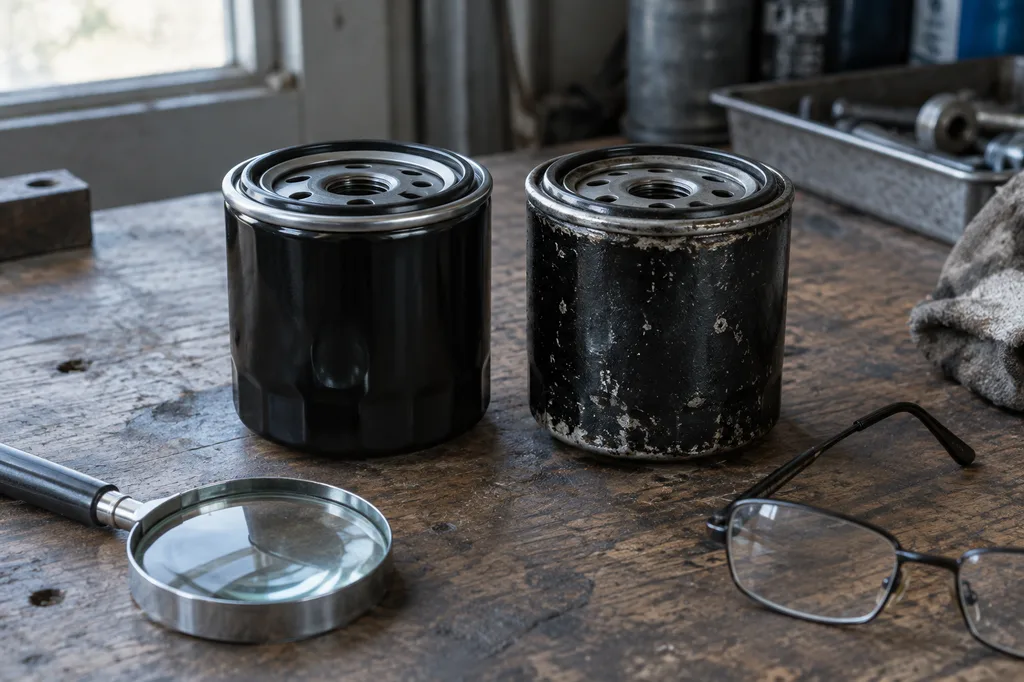
Ask for a part for your Subaru and you will often be offered more than one price. The difference is usually not the shop’s margin. It is which of three kinds of part you are buying.
Genuine
A genuine part comes in a Subaru-branded box with a Subaru part number. It is exactly what the factory fitted. It usually costs the most, and for some model-specific parts it is the only option.
OEM
Carmakers do not make most of their own parts. Suppliers such as Denso, NGK or KYB make them to the carmaker’s specification. An OEM part is made by such a supplier and sold in the supplier’s own box. It is often the same part as genuine, without the Subaru box and price.
Aftermarket
Aftermarket parts are made by other companies to fit your car. Quality ranges from excellent to poor, so the brand matters more than the label. A good aftermarket part can be the sensible choice for wear items on an older car.
Which should you buy?
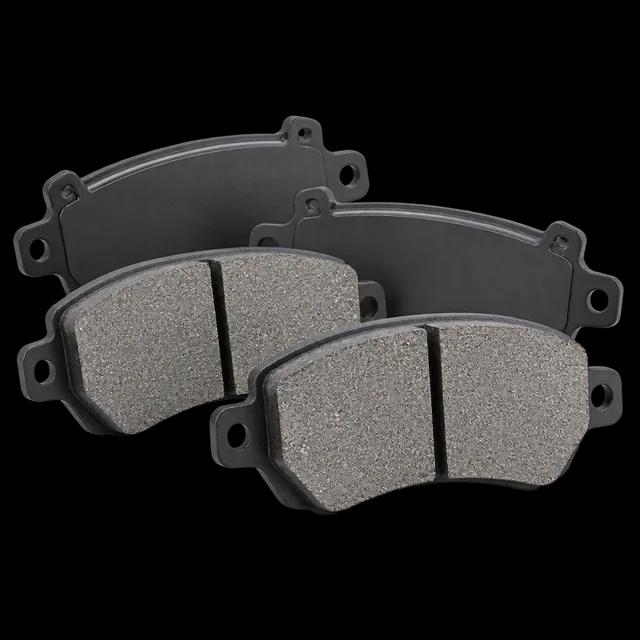
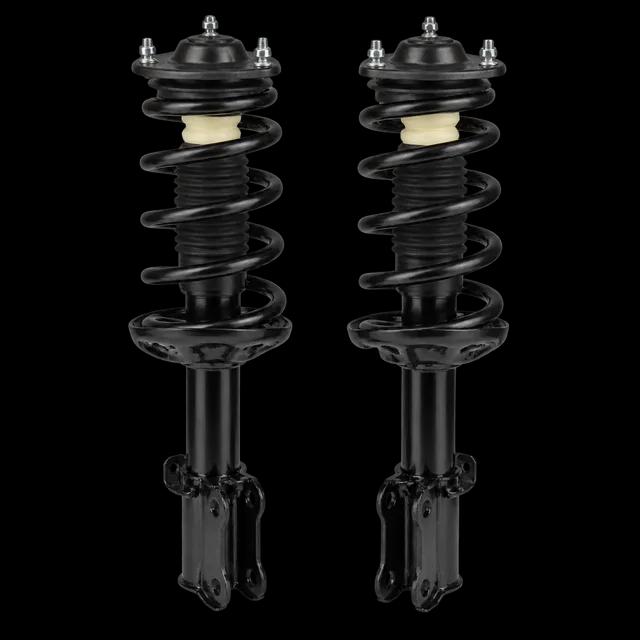
Safety-critical parts such as brakes, steering and suspension: genuine, OEM, or a well-known aftermarket brand. Never the cheapest unbranded option.
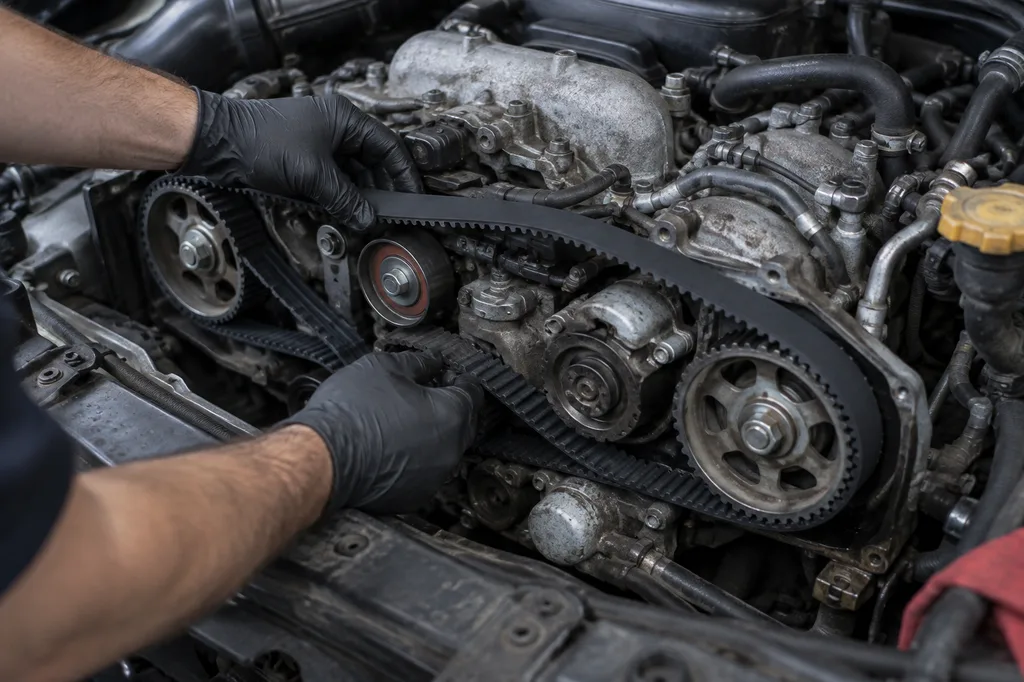
Engine timing parts: genuine or OEM. A failure costs far more than the saving.
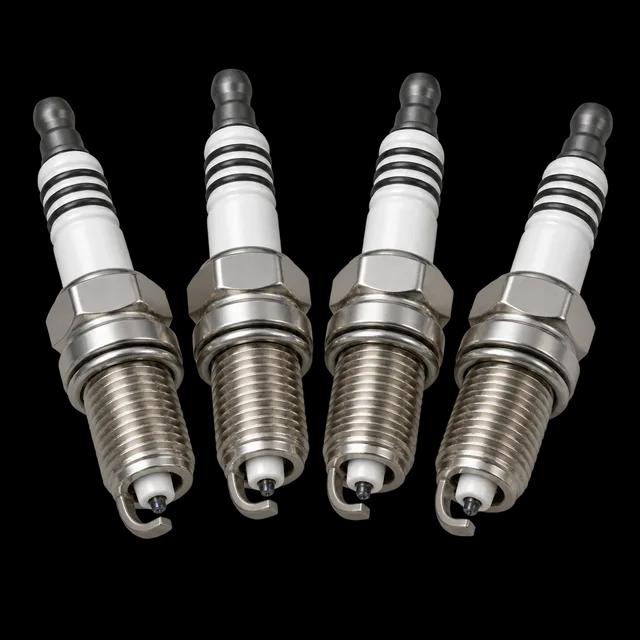
Service items such as filters and plugs: OEM or a reputable aftermarket brand is fine.
Body and lighting parts: aftermarket can be good value. Check the fit and finish.
Ask before you pay
When you order from us, ask which kind of part you are getting and we will tell you, along with the price of the alternatives if we have them.
Not sure what your car needs?
Send your chassis number and we’ll confirm the right part and price.